
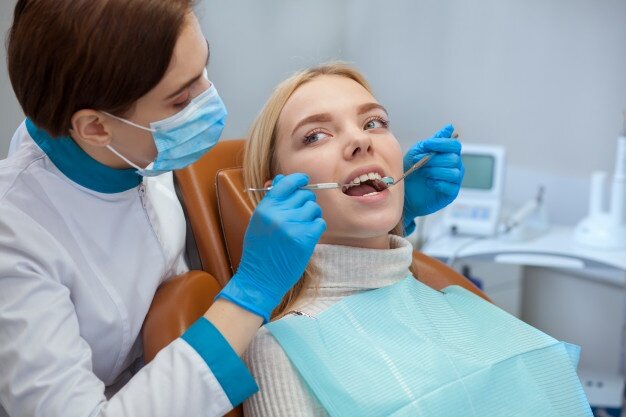
The Lasting Impact of Early Dental Experiences
The relationship between childhood dental trauma and adult oral health behaviours represents one of the most significant yet often overlooked aspects of modern dentistry. When a young person experiences a traumatic dental incident—whether through injury, painful treatment, or distressing clinical encounters—the psychological and behavioural repercussions can extend far beyond the initial event. Research consistently demonstrates that these early experiences create lasting impressions that influence how individuals approach dental care throughout their entire lives. A dentist St Albans offers a supportive and caring approach to dental care.
Dental trauma in childhood encompasses a broad spectrum of experiences, from physical injuries sustained during play or sport to emotionally challenging encounters in the dental surgery. According to guidance on traumatic dental injuries, such incidents affect a substantial proportion of children and can have immediate and long-term consequences. The way these events are managed—both clinically and emotionally—plays a crucial role in determining whether a child develops positive or negative associations with dental care.
Understanding the Psychology Behind Dental Anxiety
The psychological mechanisms that link childhood trauma to adult dental behaviours are complex and multifaceted. When a child experiences pain, fear, or loss of control during a dental incident, the brain’s limbic system encodes these memories with powerful emotional tags. These encoded experiences can then trigger anxiety responses years or even decades later when the individual finds themselves in similar dental environments.
Studies exploring the relationship between dental anxiety and traumatic experiences reveal that adults who experienced dental trauma as children often exhibit avoidance behaviours, delayed treatment-seeking, and heightened stress responses in clinical settings. This pattern creates a self-perpetuating cycle where anxiety leads to avoidance, which in turn results in deteriorating oral health and more invasive treatments when care is eventually sought.
Common Types of Childhood Dental Trauma
Physical Injuries
Physical dental trauma typically occurs through accidents, sports injuries, or falls. Knocked-out teeth, fractures, and soft tissue damage can be particularly distressing for young patients. The immediate pain and visible changes to appearance can create lasting psychological impacts that extend well beyond the physical healing process.
Procedural Trauma
Procedural trauma refers to distressing experiences during dental treatment itself. Painful injections, uncomfortable procedures, or feeling powerless whilst restrained in the dental chair can all contribute to negative associations. Even well-intentioned treatments can become traumatic if not accompanied by appropriate pain management and emotional support tailored to a child’s developmental stage.
The Ripple Effect on Adult Treatment Outcomes
The consequences of childhood dental trauma manifest in various ways throughout adulthood. Patients who experienced early trauma often present with more advanced dental disease by the time they seek care, having postponed appointments for years due to anxiety. This delay inevitably leads to more complex treatment needs, longer procedures, and higher costs—all of which reinforce the negative cycle of dental avoidance.
Furthermore, research examining psychological factors affecting dental treatment compliance indicates that traumatised patients may struggle with treatment adherence even when they do attend appointments. They might cancel follow-up visits, resist necessary procedures, or experience heightened pain perception during treatment, all of which compromise clinical outcomes.
Breaking the Cycle: Modern Approaches to Patient Care
Contemporary dental practices increasingly recognise the importance of trauma-informed care in improving treatment outcomes. Progressive practitioners implement strategies specifically designed to accommodate patients with dental anxiety rooted in childhood experiences.
These approaches typically include:
- Gradual desensitisation techniques that allow patients to build trust at their own pace
- Clear communication about procedures before they commence
- Patient-controlled breaks during treatment sessions
- Sedation options for those with severe anxiety
- Creating calm, non-threatening clinical environments
Looking Towards a Healthier Future
Understanding how childhood dental trauma shapes adult behaviours represents a crucial step towards improving oral health outcomes across the population. By acknowledging these connections, dental professionals can develop more compassionate, effective approaches that address both the clinical and psychological needs of their patients. The evidence clearly demonstrates that investing in positive childhood dental experiences and trauma-informed adult care yields significant benefits, not only in terms of oral health but also in overall wellbeing and quality of life for patients of all ages.